
In the jewelry industry, the retail experience plays a crucial role in shaping customer perception, trust, and emotional connection. For marcasite jewelry—where craftsmanship, detail, and storytelling are central—the way products are presented and experienced can significantly influence purchasing decisions. A well-designed retail experience transforms shopping into a memorable journey rather than a simple transaction.
This chapter explores retail experience design for marcasite jewelry, examining how brands can create engaging, consistent, and emotionally resonant experiences across both physical stores and digital platforms. 925
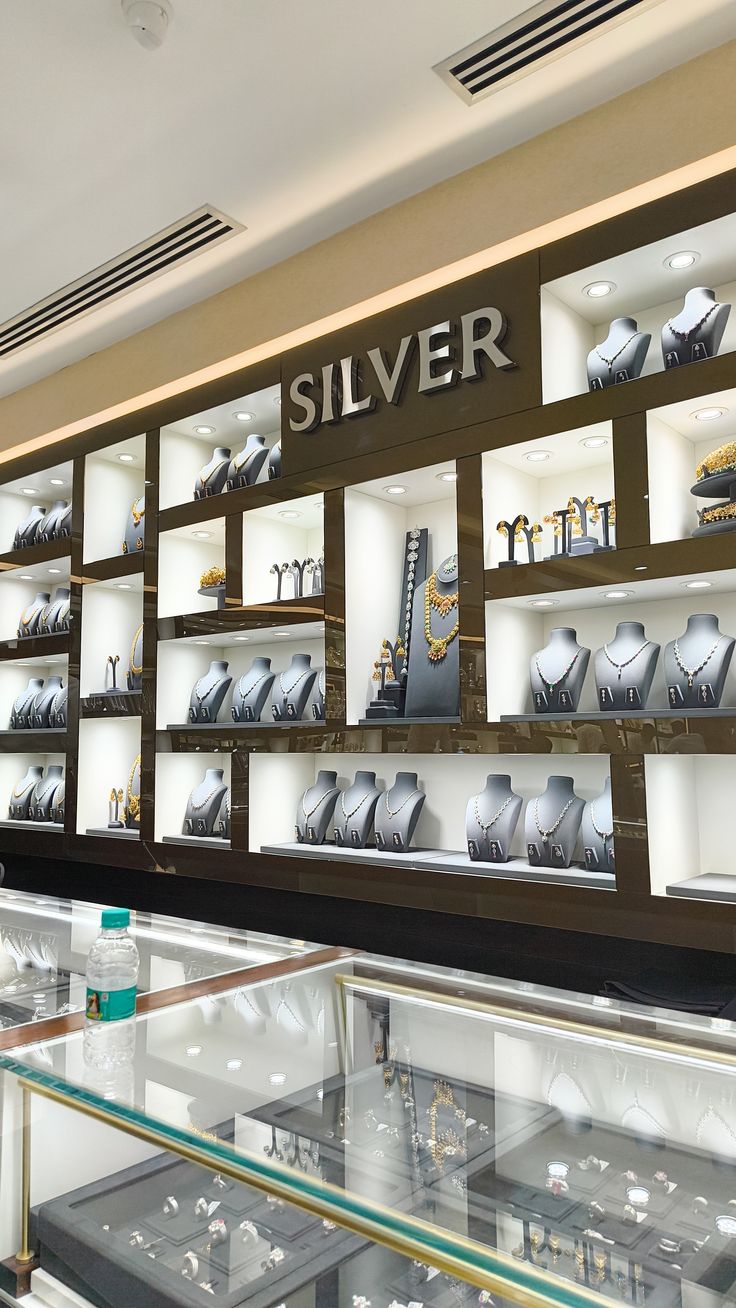
The Importance of Retail Experience in Jewelry
Jewelry is a sensory product that benefits from thoughtful presentation.
A strong retail experience helps to:
- Build trust in product quality
- Communicate craftsmanship and authenticity
- Create emotional engagement
- Differentiate the brand from competitors
- Encourage longer browsing and repeat visits
For marcasite jewelry, experience design highlights its intricate beauty and heritage.
1. Understanding the Marcasite Customer Journey
Effective retail design begins with understanding the customer journey.
Key touchpoints include:
- First brand impression
- Product discovery
- Evaluation and comparison
- Purchase decision
- Post-purchase interaction
Designing each stage intentionally improves overall satisfaction.
2. Physical Store Design Principles
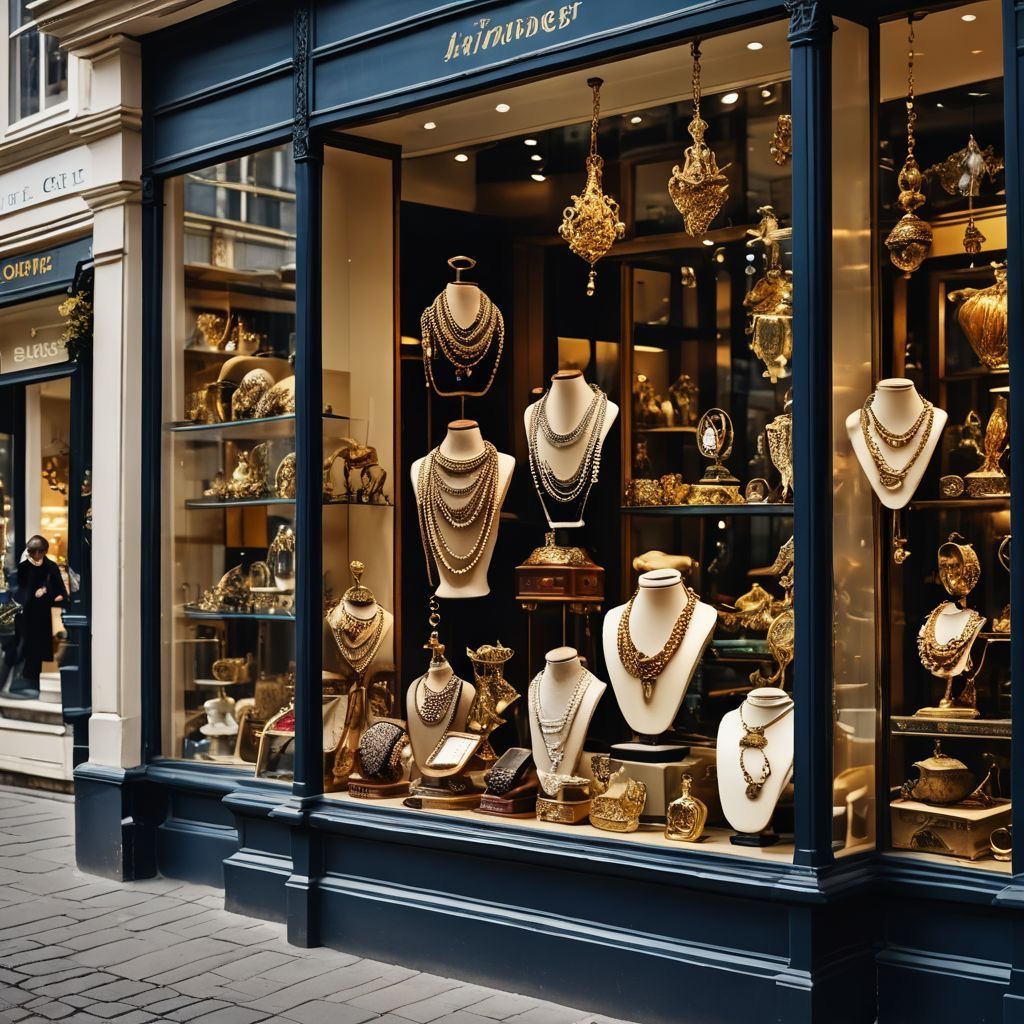
Brick-and-mortar stores remain important for jewelry.
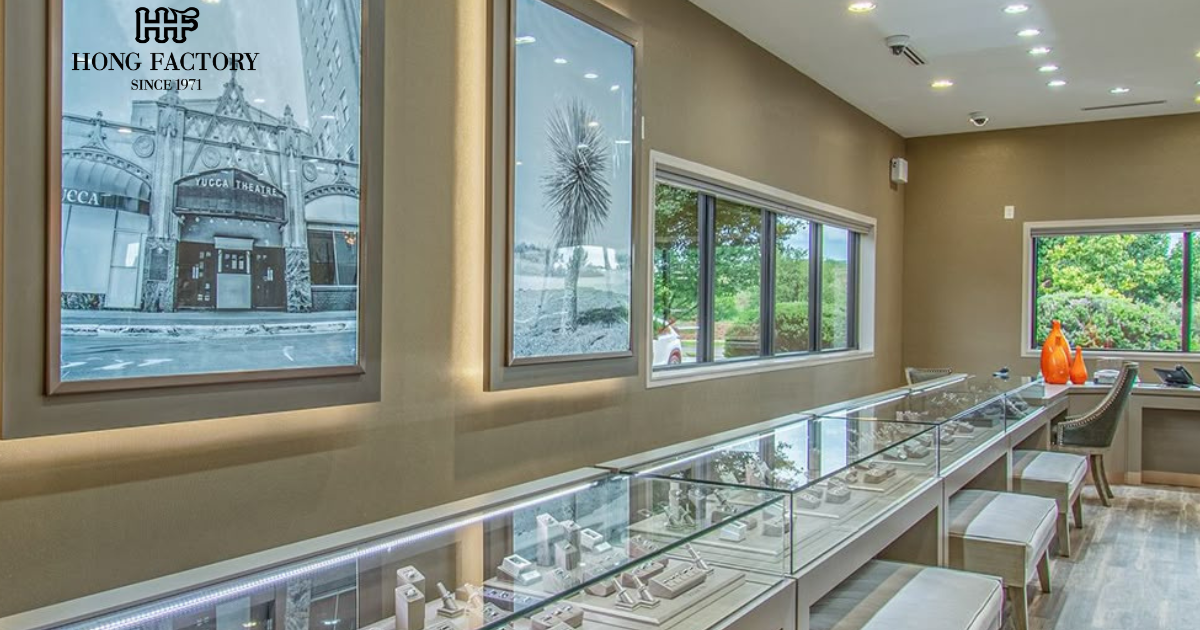
Effective store design elements:
- Warm, elegant lighting to enhance sparkle
- Neutral color palettes that complement silver tones
- Clean, uncluttered displays
- Comfortable seating for consultations
A calm, refined atmosphere suits marcasite’s vintage elegance.
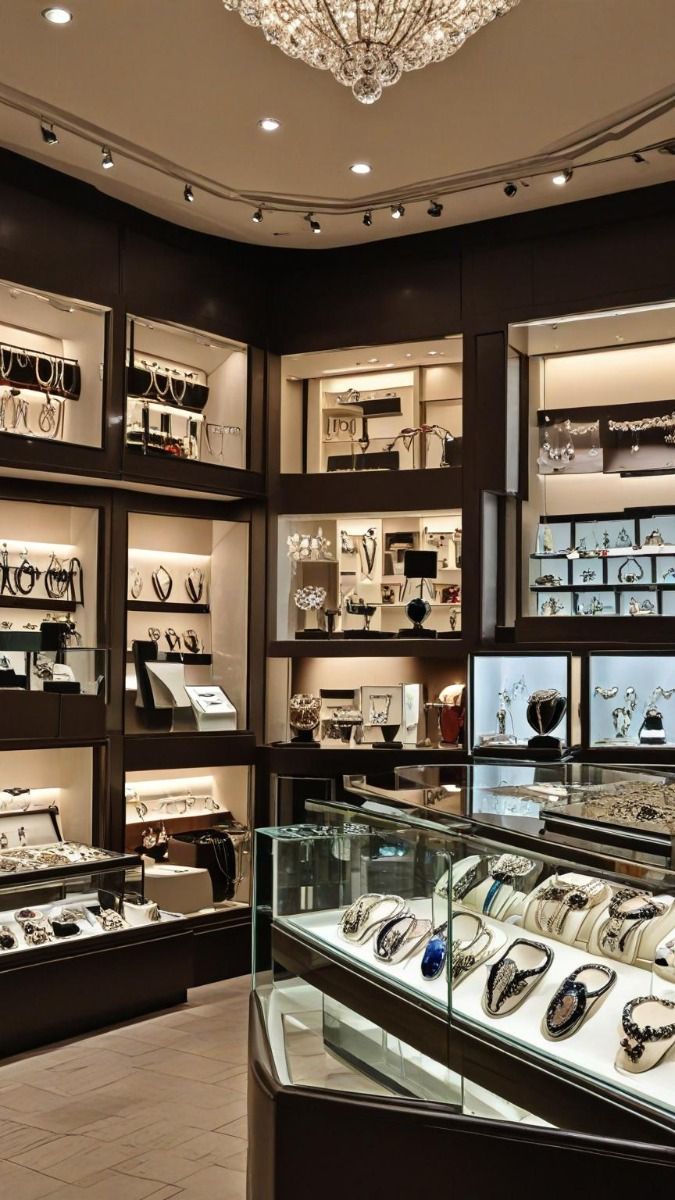
3. Display Techniques for Marcasite Jewelry
Presentation enhances perceived value.
Best display practices:
- Use dark or matte backgrounds to contrast marcasite shine
- Display fewer pieces to avoid overcrowding
- Highlight craftsmanship with magnified or close-up views
- Group jewelry by theme or collection
Thoughtful displays guide attention and appreciation.
4. Storytelling Through In-Store Design
Retail spaces should tell a story.
Story-driven design ideas:
- Visual timelines of marcasite history
- Artisan process displays
- Collection story cards
- Cultural inspiration boards
Storytelling deepens emotional engagement.
5. Sales Staff as Experience Ambassadors
Human interaction shapes retail perception.
Well-trained staff should:
- Understand marcasite craftsmanship
- Communicate care and maintenance tips
- Share design and symbolism stories
- Provide personalized recommendations
Knowledgeable staff build trust and confidence.
6. Creating a Luxury Feel Without Intimidation
Marcasite is often positioned as affordable luxury.
Balanced luxury design includes:
- Elegant but welcoming atmosphere
- Friendly, non-pressuring service
- Clear pricing transparency
This approach attracts both new and experienced buyers.
7. Digital Retail Experience and E-Commerce Design
Online retail is equally critical.
Effective digital experience elements:
- High-quality product images and videos
- Zoom and 360-degree views
- Clear, story-rich product descriptions
- Easy navigation and checkout
A seamless digital experience mirrors physical retail quality.
8. Omnichannel Consistency
Customers expect consistency across channels.
Omnichannel strategies include:
- Unified branding and messaging
- Consistent pricing and promotions
- Integrated inventory and CRM systems
Consistency strengthens brand credibility.
9. Virtual Consultations and Personal Shopping
Digital innovation enhances experience.
Personal service options:
- Live chat with jewelry specialists
- Video consultations for styling or gifting
- Virtual try-on tools
These features recreate in-store service online.
10. Sensory Elements in Retail Design
Multi-sensory experiences create lasting impressions.
Sensory considerations:
- Soft background music
- Comfortable temperature and seating
- Textured packaging materials
Sensory details elevate emotional response.
11. Packaging as Part of the Retail Experience
Packaging extends the retail journey.
Effective packaging includes:
- Elegant boxes or pouches
- Story or care cards
- Sustainable materials
Unboxing becomes a memorable moment.
12. Retail Experience for Special Occasions
Occasion-based shopping requires sensitivity.
Examples:
- Bridal and wedding consultations
- Gift-focused displays
- Seasonal collections
Tailored experiences enhance emotional value.
13. Retail Events and Experiential Marketing
Events create connection.
Event ideas:
- Artisan demonstration days
- Vintage-inspired trunk shows
- New collection launches
Experiential marketing builds community.
14. Measuring Retail Experience Success
Evaluation ensures improvement.
Key performance indicators:
- Conversion rates
- Average time spent in store or site
- Customer feedback and reviews
- Repeat visit rates
Data-driven insights refine experience design.
15. The Future of Marcasite Retail Experiences
Retail continues to evolve.
Future trends include:
- Greater personalization
- Hybrid physical-digital experiences
- Sustainability-focused retail design
Adaptability ensures long-term relevance.
Conclusion
Retail experience design is a powerful tool for marcasite jewelry brands seeking to build trust, emotion, and loyalty. By creating thoughtful physical and digital environments that highlight craftsmanship and storytelling, brands can transform shopping into a meaningful experience. As consumer expectations evolve, marcasite retailers who invest in experience design will stand out—offering not just jewelry, but lasting memories.