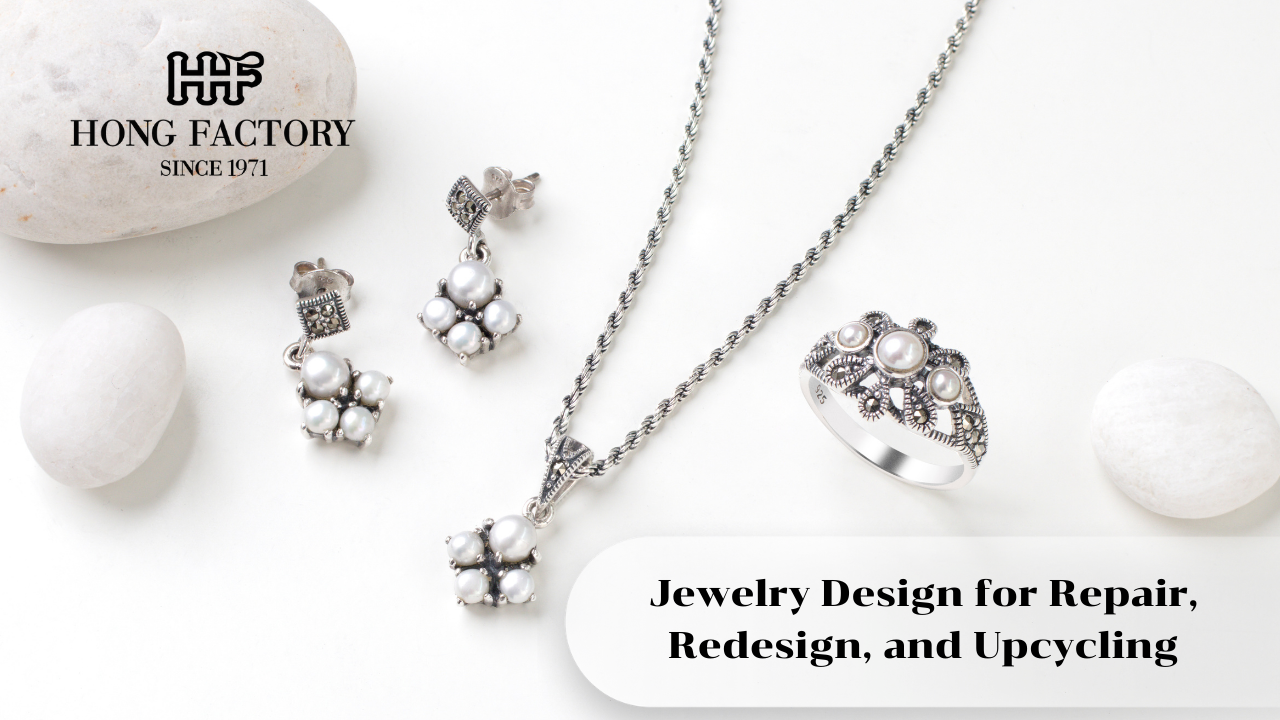

As consumer awareness around sustainability, sentiment, and long-term value grows, repair, redesign, and upcycling have become essential services in modern jewelry brands. Rather than replacing old jewelry, customers increasingly want to restore, transform, or reimagine meaningful pieces. For silver and marcasite jewelry brands, jewelry design for repair, redesign, and upcycling creates new revenue streams, strengthens emotional loyalty, and supports sustainable brand positioning. marcasite jewelry
This article explores how jewelry design can support repair, redesign, and upcycling services, focusing on design mindset, technical considerations, customer communication, and long-term brand benefits.
Why Repair, Redesign, and Upcycling Matter in Jewelry
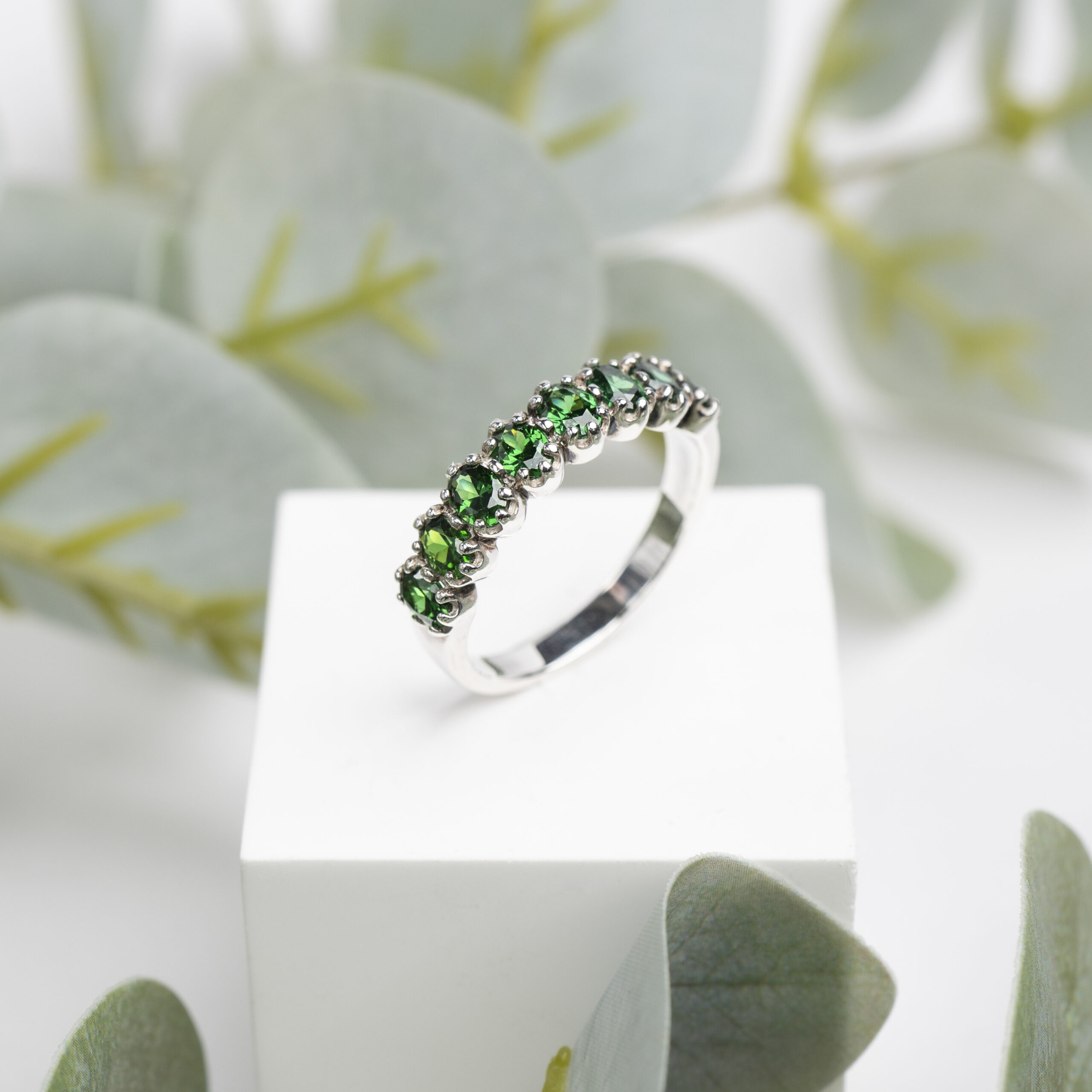
Jewelry carries memory and meaning.
Customers choose repair or redesign because:
- Jewelry holds emotional or family value
- Materials remain valuable and reusable
- Sustainability concerns influence decisions
- Designs feel outdated but still meaningful
These services extend the life and story of jewelry.
Understanding the Difference Between Repair, Redesign, and Upcycling
Clear definitions set expectations.
Jewelry Repair
Repair focuses on:
- Restoring original condition
- Fixing structural or setting issues
- Preserving the original design
Jewelry Redesign
Redesign involves:
- Modifying an existing piece
- Updating style or functionality
- Retaining original materials and meaning
Jewelry Upcycling
Upcycling transforms:
- Old or unused jewelry
- Scrap silver or stones
- Components into entirely new designs
Each service requires a distinct design approach.
Design Mindset for Repair and Restoration
Preservation comes first.
Designers must respect:
- Original craftsmanship
- Historical or sentimental value
- Structural integrity of the piece
The goal is restoration, not reinterpretation.
Designing Jewelry for Redesign Services
Transformation with respect.
Redesign Design Principles
Successful redesign balances:
- Client’s emotional attachment
- Modern aesthetics
- Wearability and durability
Designers should enhance, not erase, the original story.
Using Silver and Marcasite in Repair and Redesign
Material behavior matters.
Silver in Repair and Upcycling
Sterling silver:
- Can be polished, reshaped, and reforged
- Is ideal for restoration and reuse
- Maintains value across transformations
Marcasite Handling in Repair
Marcasite requires careful handling:
- Stones are small and delicate
- Settings often need reinforcement
- Replacement stones must match size and tone
Skilled craftsmanship is essential.
Technical Design Considerations for Jewelry Repair
Design supports durability.
Designers must assess:
- Metal fatigue and thickness
- Stone security and alignment
- Structural balance after repair
Technical evaluation ensures longevity.
Upcycling Jewelry Design Strategies
Creativity meets sustainability.
Effective Upcycling Approaches
Designers may:
- Combine multiple old pieces into one
- Reuse stones with new silver settings
- Create modern silhouettes from vintage elements
Upcycling celebrates reinvention.
Client Collaboration in Redesign and Upcycling Projects
Communication builds trust.
Designers should:
- Understand sentimental priorities
- Explain design limitations clearly
- Offer visual sketches or mockups
Transparency ensures satisfaction.
Storytelling Through Reimagined Jewelry
Narrative enhances value.
Redesigned jewelry tells a story of:
- Continuity and renewal
- Sustainability and care
- Personal evolution
Storytelling elevates redesigned pieces.
Pricing Strategy for Repair and Redesign Services
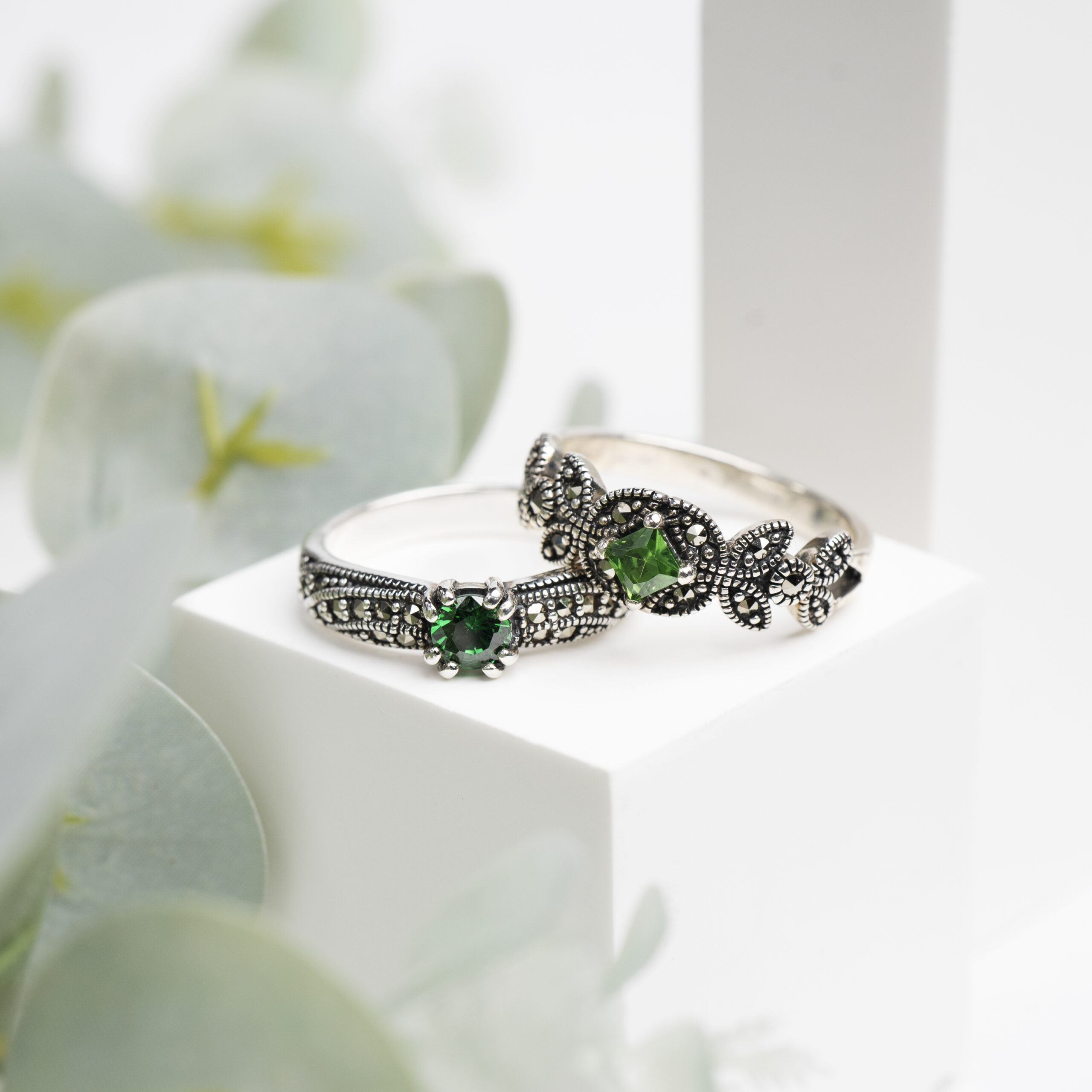
Fair pricing builds confidence.
Pricing should reflect:
- Labor intensity
- Technical difficulty
- Material reuse value
Clear breakdowns prevent misunderstanding.
Repair-Friendly Design for New Jewelry Collections
Future-proof design matters.
Brands can design new jewelry that:
- Allows easy repair
- Uses standardized components
- Supports future resizing or redesign
Designing for repair supports sustainability.
Redesign and Upcycling as Brand Differentiators
Services strengthen brand identity.
Brands offering redesign services:
- Build long-term customer relationships
- Position themselves as sustainable and caring
- Increase lifetime customer value
These services deepen trust.
Marketing Repair and Redesign Services
Education drives demand.
Effective messaging highlights:
- Emotional preservation
- Sustainability benefits
- Craftsmanship expertise
Before-and-after visuals are powerful tools.
Avoiding Common Mistakes in Jewelry Repair Design
Mistakes risk trust.
Mistakes to Avoid
- Ignoring structural limitations
- Over-designing sentimental pieces
- Underestimating technical complexity
Professional assessment is essential.
Measuring Success in Repair and Redesign Services
Success goes beyond profit.
Brands should evaluate:
- Customer satisfaction
- Repeat service requests
- Referral and word-of-mouth growth
These metrics reflect service quality.
Long-Term Benefits of Repair and Upcycling Design
Longevity builds brand value.
Repair and redesign services:
- Support sustainable brand narratives
- Reduce material waste
- Strengthen emotional customer bonds
They align craftsmanship with modern values.
Conclusion
Jewelry design for repair, redesign, and upcycling is a thoughtful balance of respect, creativity, and technical skill. By using adaptable materials like silver, handling marcasite with expertise, and collaborating closely with clients, jewelry brands can transform old pieces into renewed expressions of meaning. In an era of sustainability and sentiment, repair and upcycling are not just services—they are powerful extensions of brand purpose and craftsmanship.