
Sterling silver jewelry is a timeless addition to any fashion collection. From delicate minimalist necklaces to bold statement rings, the metallic luster of silver complements every skin tone and wardrobe style. However, anyone who owns silver accessories knows that this beautiful metal possesses an inherent chemical vulnerability: it tarnishes. When silver comes into contact with sulfur compounds in the air, moisture, and even the natural oils of human skin, it undergoes a chemical reaction that creates a dark layer of silver sulfide.
To maintain the pristine condition of your collection, implementing effective Silver Jewellery Cleaning Home Methods is essential. You do not need expensive commercial cleaners or specialized professional services to keep your pieces gleaming. With a few safe household ingredients, you can build a reliable care routine. Understanding the molecular behavior of silver, learning how to implement Tarnished Silver Restoration Quick Steps, and practicing strict Silver Ring Storage Prevention Tips will guarantee that your cherished investments retain their brilliance for decades.
Understanding Why Silver Jewellery Tarnishes Over Time
Before diving into cleaning techniques, it is important to understand the science behind silver tarnish. Pure silver, also known as fine silver, is relatively resistant to tarnish but is too soft to be used for functional jewelry manufacturing. To enhance its durability, craftsmen alloy pure silver with other metals, most commonly copper, creating what is globally recognized as 925 sterling silver. While copper provides the structural strength necessary to shape intricate rings, bracelets, and necklaces, it also increases the rate of oxidation and chemical reactions. Jewelry Lovers
Sulfor dioxide, hydrogen sulfide, and moisture are the primary environmental catalysts that accelerate the tarnishing process. When these elements interact with the copper and silver atoms on the surface of your jewelry, they form a dull, yellowish, or pitch-black patina. Sweat, perfumes, lotions, and hairsprays also contain chemical formulations that speed up this degradation. By accepting that tarnishing is a natural characteristics of sterling silver rather than a manufacturing defect, you can take control of your collection using preventive habits and targeted deep-cleaning methods.
Safe and Effective Silver Jewellery Cleaning Home Methods
When your favorite silver pieces start losing their signature glow, you can easily restore them using everyday pantry items. These home methods are gentle on the metal, cost-effective, and highly efficient at lifting surface oils and light oxidation without removing any of the actual silver weight.
The Gentle Soap and Warm Water Wash
The simplest and safest method for routine maintenance involves basic dishwashing liquid and warm water. This technique is highly recommended for pieces that feature delicate gemstones, organic pearls, or intricate filigree patterns that might be damaged by harsher chemical treatments.
- Mix a few drops of mild, phosphate-free dishwashing soap into a bowl of lukewarm water.
- Submerge your silver pieces in the soapy solution for five to ten minutes to loosen surface accumulation.
- Use a clean, ultra-soft microfiber cloth or a soft-bristled baby toothbrush to gently agitate dirt trapped in intricate grooves.
- Rinse the jewelry thoroughly under running warm water to ensure no soapy film remains.
- Blot the items completely dry with a lint-free towel, as remaining moisture will trigger rapid re-tarnishing.
The Baking Soda and Aluminum Foil Electromechanical Reaction
For jewelry pieces experiencing moderate tarnishing, a simple washing cycle will not suffice. You need a method that reverses the chemical bond of the silver sulfide layer. The baking soda and aluminum foil method utilizes an electrolytic process to transfer the sulfur atoms from the silver surface onto the aluminum sheet.
- Line the bottom of a heat-resistant glass or ceramic bowl completely with a sheet of standard aluminum foil, shiny side facing up.
- Place your tarnished silver items directly onto the foil, ensuring every single piece makes physical contact with the aluminum surface.
- Boil a cup of water and stir in one to two tablespoons of pure baking soda until completely dissolved.
- Pour the boiling baking soda solution into the lined bowl until the silver jewelry is completely submerged.
- Observe the immediate bubbling action and the release of a slight sulfur odor, which indicates that the chemical restoration is working.
- Leave the jewelry in the solution for three to five minutes, then remove using plastic tongs.
- Rinse thoroughly with fresh cold water and polish dry with a clean microfiber fabric.
The White Vinegar and Baking Soda Soak
If you are dealing with stubborn discoloration that resists standard soapy washes, combining white distilled vinegar with baking soda offers an excellent deep-cleaning alternative. The effervescent reaction breaks down heavy grime and chemical residues efficiently.
- Place your dull silver jewelry pieces inside a clean bowl.
- Pour in half a cup of distilled white vinegar, ensuring the items are fully covered.
- Slowly add two tablespoons of baking soda to the bowl, taking care as the mixture fizzes up vigorously.
- Let the jewelry soak undisturbed in this effervescent bath for two to three hours.
- Remove the pieces from the vinegar bath and rinse them extensively under clean tap water to neutralize the acidic elements.
- Dry thoroughly using a premium jewelry cloth to reveal a bright, polished finish.
Tarnished Silver Restoration Quick Steps for Immediate Results
There are moments when you need to wear a specific silver accessory for an upcoming event, only to realize it has developed a heavy, unsightly dark layer while sitting in your vanity box. When time is limited, executing targeted Tarnished Silver Restoration Quick Steps allows you to revive the aesthetic quality of your items in under ten minutes without damaging the integrity of the silver metal.
Step 1 Step by Step Inspection and Surface Prep
Before applying any fast restoration compound, inspect the structural health of the jewelry piece. Ensure there are no loose gemstones, cracked prongs, or weakened clasps that could break during polishing. Wipe away loose dust or skin oils using a dry paper towel to expose the pure tarnished surface to the restoration elements.
Step 2 Application of Specialized Polishing Compounds
If you have a dedicated silver polishing cloth pre-treated with anti-tarnish micro-abrasives, hold the jewelry piece firmly between your fingers. Rub the silver surface using long, linear strokes. Avoid moving the cloth in circular patterns, as circular buffing can amplify microscopic scratches existing on the silver surface. If a specialized cloth is unavailable, apply a pea-sized amount of non-gel, low-abrasive white toothpaste to a damp cloth and gently rub the tarnished areas.
Step 3 Targeted Rinsing and Thermal Drying
Once the tarnish rubs off onto the polishing cloth or toothpaste mixture, you must immediately halt the chemical interaction. Rinse the jewelry piece under warm running water while using your fingertips to slide away any residual compound debris. After rinsing, use a high-velocity hair dryer on a cool or low-heat setting to blow away microscopic water droplets caught inside tight hinges or deep stone settings, guaranteeing absolute dryness.
Comprehensive Silver Ring Storage Prevention Tips
Cleaning your jewelry frequently can be time-consuming. The most efficient way to maintain a flawless collection is to stop the tarnishing reaction before it even begins. Because rings are constantly exposed to friction, hand sanitizers, and environmental elements, incorporating practical Silver Ring Storage Prevention Tips into your daily routine is paramount to preserving their brilliant exterior.
Utilize Airtight Microscopic Environments
Leaving your silver rings exposed on open vanity trays or hanging bedroom jewelry stands introduces them to constant airflow, humidity, and atmospheric pollutants. The best storage solution is isolation from oxygen. Store each silver ring inside an individual, sealable airtight plastic ziplock bag. Squeeze out all excess air from the bag before sealing it completely. This simple barrier prevents the sulfur molecules floating in your room from reaching the sterling silver surface.
Implement Specialized Anti Tarnish Strips and Silica Gels
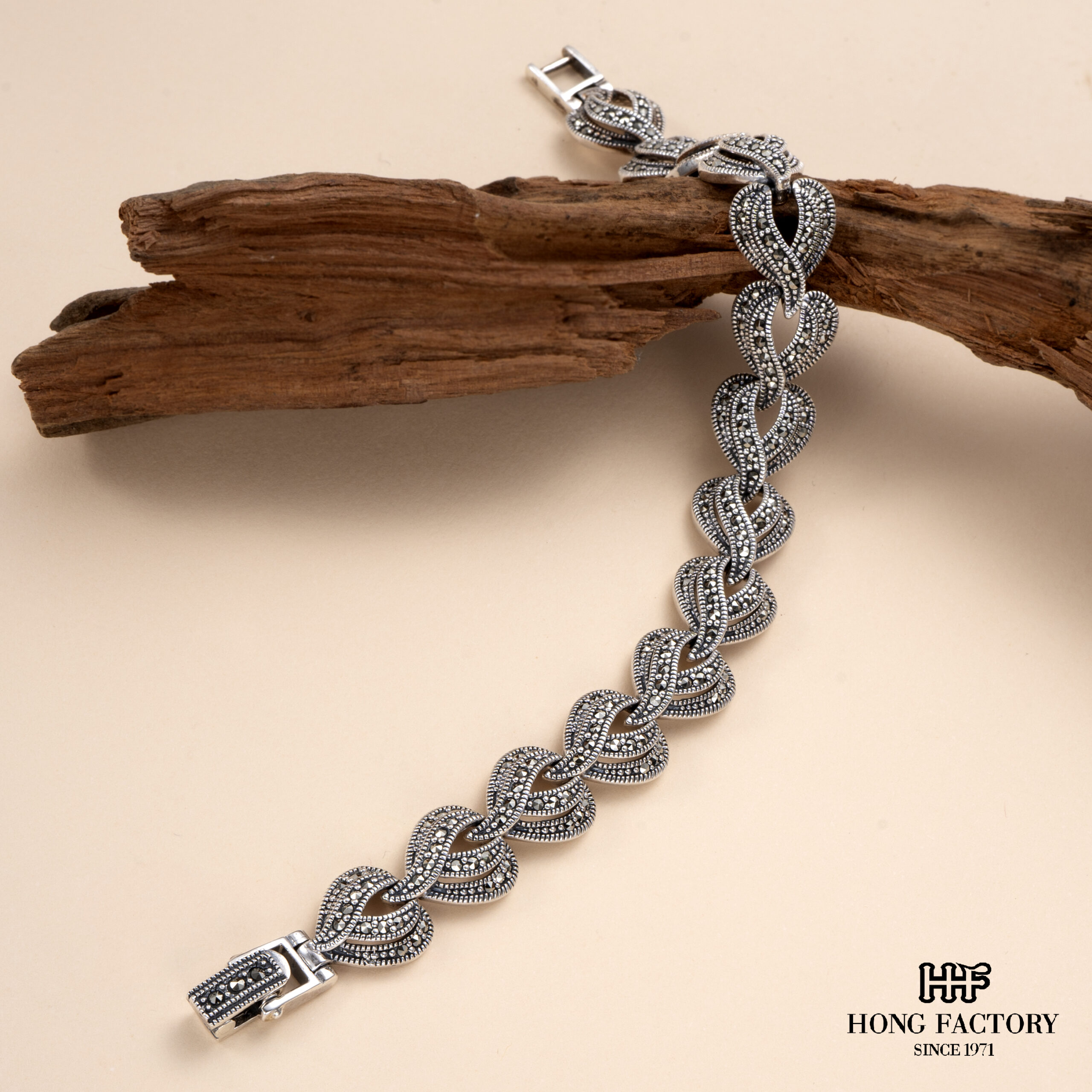
Moisture is the primary accelerator of the oxidation process that destroys silver radiance. To optimize your storage boxes, place small packets of silica gel inside your jewelry drawers to absorb any ambient humidity. Additionally, insert specialized anti-tarnish strips made of chemically treated paper into your ring slots. These innovative paper strips act as a magnet for airborne sulfur compounds, intercepting and absorbing the harmful gases before they can react with your precious silver rings.
Enforce the Last On First Off Behavioral Rule
Preventative care is not limited to physical boxes; it involves your lifestyle habits. Adopt the golden rule of jewelry wear: your silver accessories must be the absolute last items you put on in the morning and the very first items you take off when you return home at night. Apply your perfumes, body lotions, hair styling creams, and makeup formulations first, allowing them to dry completely into your skin before accessorizing with your silver rings. This proactive step prevents chemical films from sealing onto the silver, significantly cutting down your yearly cleaning schedule.