
Why Identifying Authentic Marcasite Silver Matters
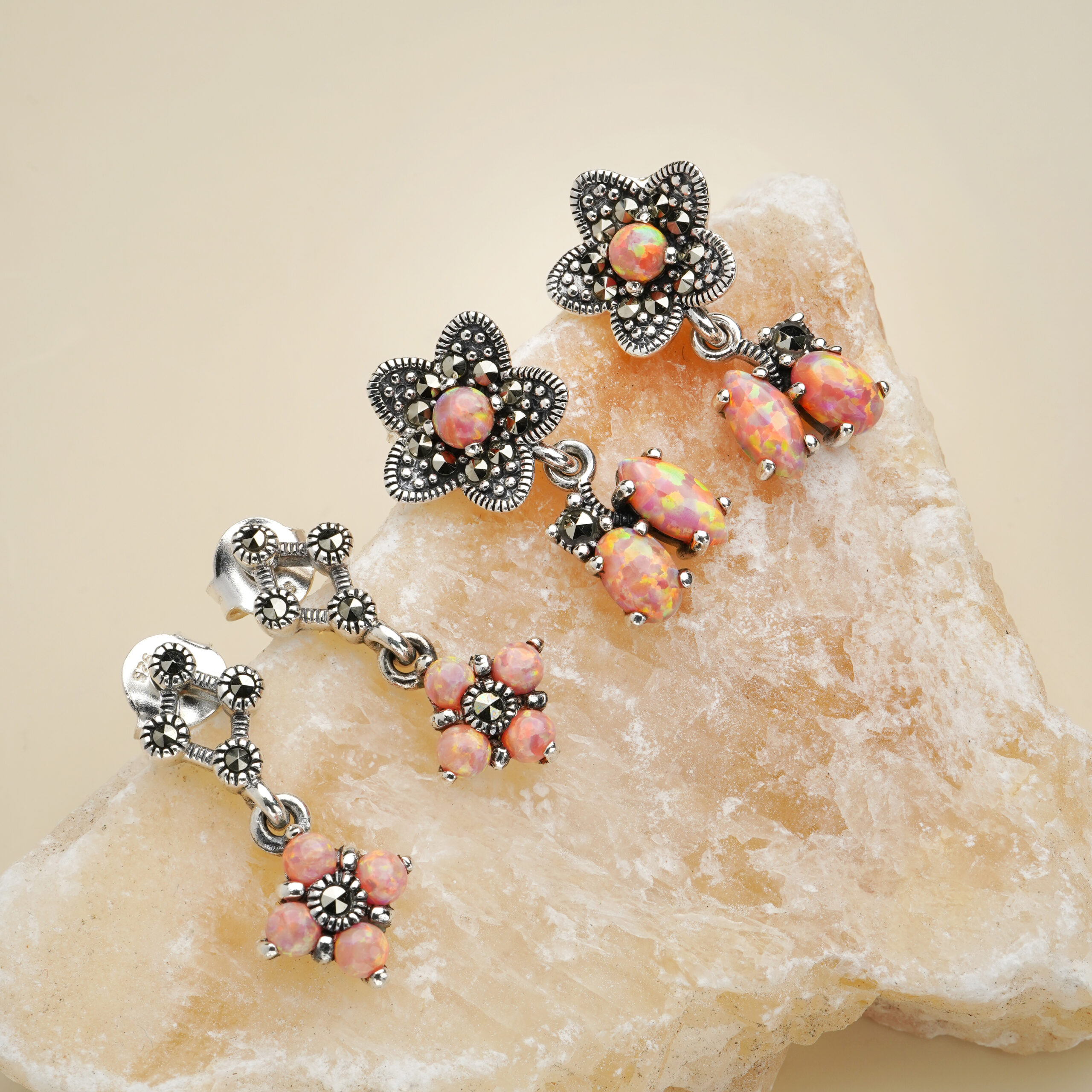
Authentic marcasite silver jewellery is valued for its craftsmanship, durability, and historical character. Because of its popularity, imitation pieces made with base metals or substitute stones are common. Knowing how to identify genuine marcasite silver protects buyers from overpaying and ensures long-term satisfaction. marcasite jewelry
Understanding authenticity is essential for collectors, buyers, and sellers alike.
Understanding What Authentic Marcasite Silver Is
Authentic marcasite silver jewellery is made with sterling silver and set with real marcasite stones. The stones are typically small, faceted, and hand-set closely together.
Genuine pieces prioritize craftsmanship over mass production.
Checking for Sterling Silver Hallmarks
One of the first steps is checking for silver hallmarks. Marks such as “925,” “STERLING,” or regional silver stamps indicate sterling silver content.
While not all vintage pieces are marked, the presence of hallmarks increases credibility.
Examining the Stone Appearance
Real marcasite stones have a subtle metallic sheen rather than a glassy sparkle. They appear grey to steel-toned and reflect light softly.
Imitation stones often look overly shiny or uniform.
Inspecting Stone Settings Closely
Authentic marcasite silver jewellery uses hand-set stones secured by tiny prongs. Settings should appear slightly irregular due to manual craftsmanship.
Glued stones or perfectly uniform placements may indicate imitation.
Assessing the Weight and Feel
Sterling silver has noticeable weight compared to base metals. Authentic pieces feel solid rather than hollow or lightweight.
Extremely light jewellery may suggest plated or low-quality materials.
Looking at the Back of the Jewellery
The back of authentic marcasite silver jewellery is usually solid silver, not plated or hollowed excessively. Clean construction and smooth edges indicate quality.
Poor finishing on the back can signal mass production.
Testing with Magnetism
Silver is not magnetic. A simple magnet test can help identify base metal imitations.
However, this test alone is not definitive and should be combined with other checks.
Identifying Signs of Aging and Patina
Authentic silver develops natural patina over time. Slight darkening in crevices is normal and often desirable.
Artificial aging may appear uneven or forced.
Recognizing Common Imitations
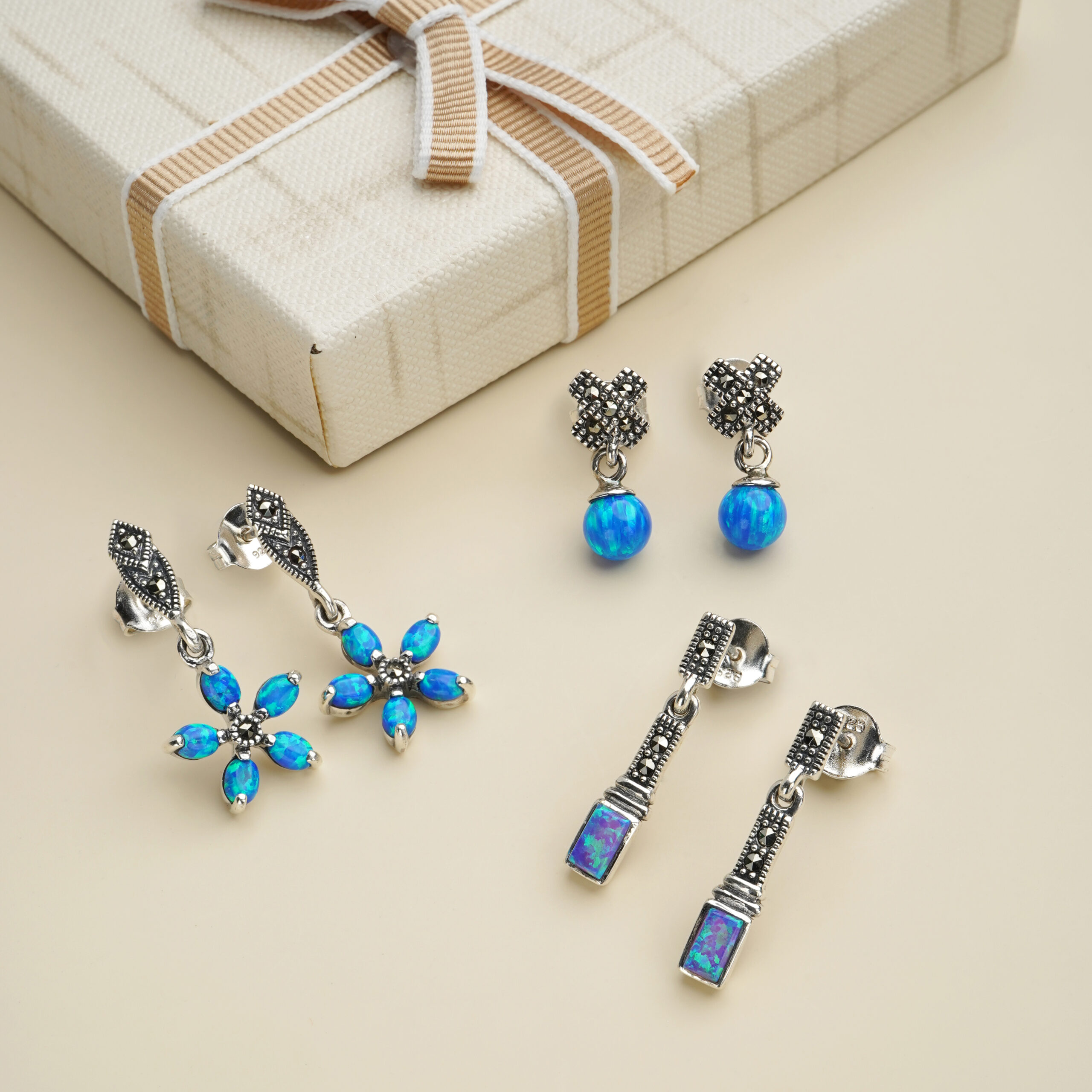
Some imitations use marcasite-look crystals or rhinestones set in base metal. These pieces may mimic appearance but lack craftsmanship.
Understanding these differences helps avoid misleading listings.
Verifying Seller Credibility
Reputable sellers provide clear descriptions, detailed photos, and transparent information. Vague listings or unrealistic pricing are warning signs.
Seller reputation plays a key role in authenticity.
Using Professional Verification When Needed
For high-value or vintage pieces, professional evaluation is recommended. Experienced jewellers or appraisers can verify materials and construction.
Professional confirmation adds confidence.
Combining Multiple Identification Methods
No single test guarantees authenticity. Combining visual inspection, hallmark checks, and seller evaluation yields better accuracy.
A holistic approach reduces risk.
Common Mistakes When Identifying Marcasite Silver
Relying on shine alone or assuming age equals authenticity are common mistakes. Genuine marcasite silver prioritizes texture and craftsmanship.
Education improves identification skills.
Becoming Confident in Identifying Authentic Marcasite Silver
With practice and knowledge, identifying authentic marcasite silver becomes easier. Attention to detail and patience are key.
Informed buyers and collectors enjoy greater confidence and long-term satisfaction when choosing marcasite silver jewellery.