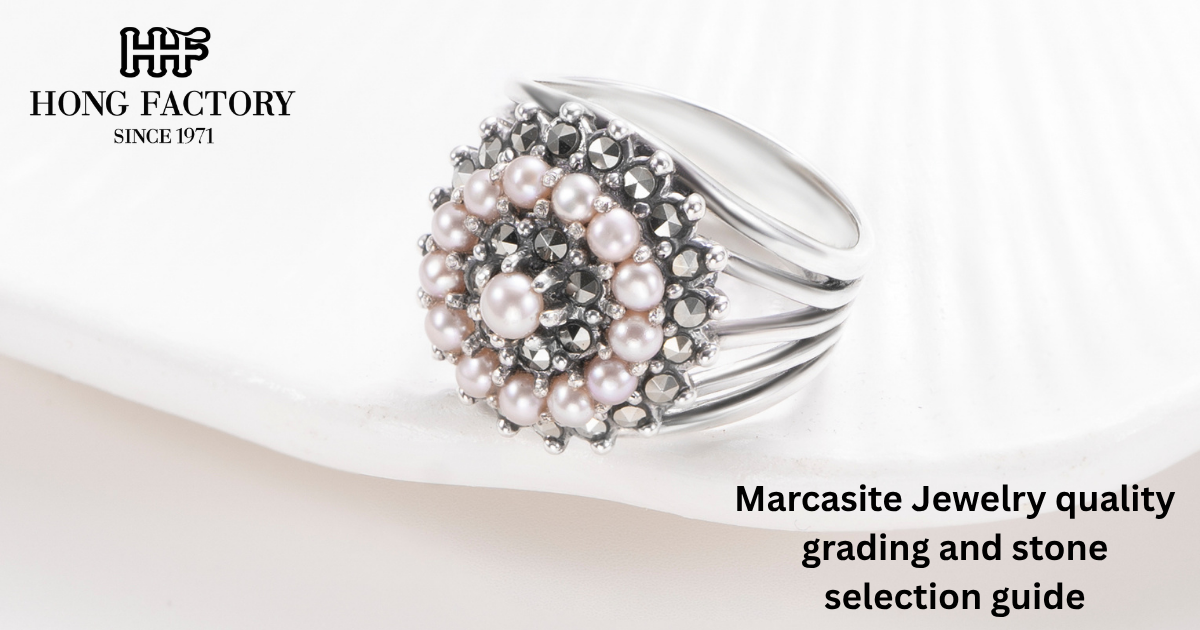

Marcasite Jewelry quality grading and stone selection guide for consistent excellence and buyer confidence
Why quality grading matters in marcasite jewelry
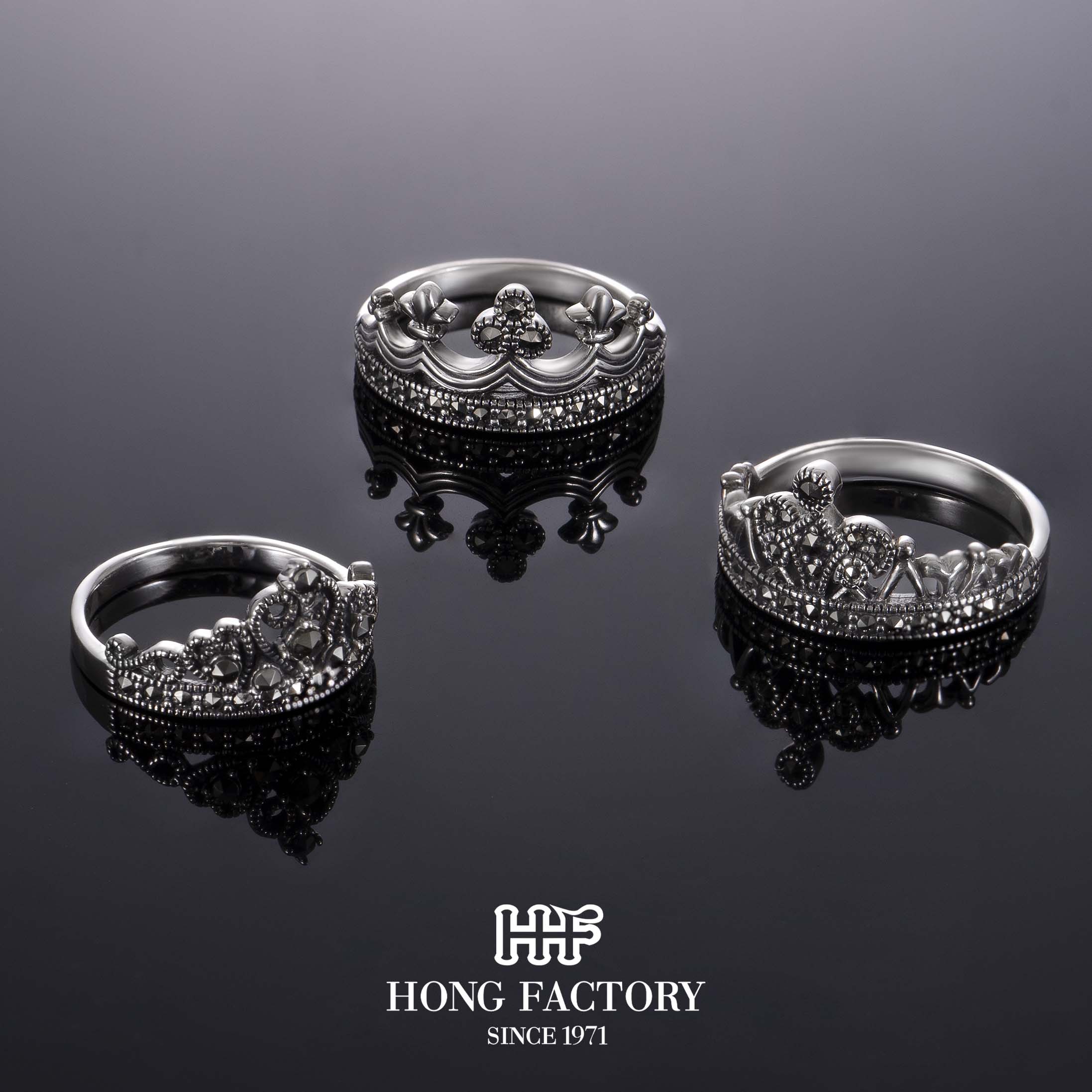
Marcasite jewelry relies on numerous small, faceted stones set precisely into sterling silver. Variations in stone quality and setting directly affect sparkle, durability, and overall value. A clear grading and selection system helps standardize quality, reduce defects, and align expectations between buyers and manufacturers. Marcasite Jewelry quality
Understanding marcasite stone characteristics
Key attributes to evaluate:
- Cut and faceting: uniform, crisp facets for consistent sparkle
- Color: even metallic gray tone without discoloration
- Size consistency: matched stones within each piece
- Surface condition: free from chips, cracks, or pitting
Consistent stones produce a refined, cohesive look.
Stone grading criteria (practical tiers)
Establish internal tiers for sourcing and QC:
- Grade A: uniform size, sharp facets, no visible defects
- Grade B: minor variation, acceptable for mid-range lines
- Grade C: visible inconsistencies, suitable for budget lines only
Define acceptance thresholds to avoid disputes.
Matching stones within a design
Even with high-grade stones, poor matching reduces perceived quality. Ensure:
- Consistent size and alignment across patterns
- Symmetry in mirrored designs (e.g., earrings)
- Even spacing with no gaps or overlaps
Visual harmony is critical for premium perception.
Stone setting quality
Secure setting prevents loss and improves durability:
- Tight prong or bead setting with no loose stones
- Clean seats (stone beds) without excess metal
- Smooth edges to avoid snagging
Request magnified inspection during QC for accuracy.
Silver base and finishing standards
Stone quality must be paired with a solid base:
- 925 sterling silver with clear hallmark
- Smooth polishing without scratches
- Even oxidized or rhodium finish (no blotches)
Finish consistency enhances contrast and sparkle.
Sampling and golden sample approval
Before bulk production:
- Approve a golden sample representing final quality
- Document stone grade, finish, and tolerances
- Use the sample as the reference for all inspections
This aligns expectations across teams.
In-process checks for stone quality
During production, verify:
- Incoming stone batches match grade specs
- Random pieces for alignment and setting tightness
- Early detection of mismatches or defects
Catching issues early reduces rework costs.
Final inspection checklist for stones
Before shipment:
- No missing or loose stones
- Uniform color and size within each item
- Clean surfaces and proper finishing
- Symmetry and alignment verified
Combine visual inspection with light tapping tests for looseness.
Packaging to protect stone integrity
Use protective measures:
- Individual pouches or trays to prevent friction
- Anti-tarnish strips when needed
- Secure outer cartons for transit
Proper packaging reduces post-shipment issues.
Common stone-related defects to avoid
- Mixed sizes within one piece
- Dull or poorly cut stones
- Loose settings or gaps
- Uneven oxidation affecting contrast
Track defect trends to improve sourcing.
Supplier collaboration for consistent grading
Share clear grading standards with suppliers:
- Provide visual references for each grade
- Define acceptance/rejection criteria
- Align on replacement and rework policies
Consistency improves over time with feedback loops.
Balancing cost vs quality
Higher-grade stones increase cost but reduce returns and enhance brand perception. Decide per product line:
- Premium collections: Grade A stones
- Mid-range: Grade A/B mix
- Budget: controlled use of Grade B
Optimize for total value, not just unit cost.
Documentation and traceability
Maintain records for each batch:
- Stone grade and supplier
- Inspection results
- Photos of samples and defects
Traceability supports accountability and continuous improvement.
SEO strategy for quality-focused content
Target keywords like “marcasite jewelry quality,” “stone grading jewelry,” and “how to choose marcasite stones.” This attracts both B2B buyers and informed consumers.
Internal linking opportunities
Link to QC checklist, supplier selection, and sourcing guides to build a comprehensive quality ecosystem.
Content structure for readability
Use H1, H2, H3 with bullet points and checklists for quick scanning and practical use.
Expanding keyword variations naturally
Include terms such as “stone selection,” “quality standards,” and “jewelry inspection” to enhance semantic SEO.
Conclusion
A structured approach to marcasite stone selection and grading ensures consistent quality, reduces defects, and strengthens brand trust. By aligning standards across sourcing, production, and inspection, businesses can deliver reliable products and scale with confidence.
For SEO and PBN strategies, quality-focused content builds authority and attracts high-intent traffic, supporting long-term growth.