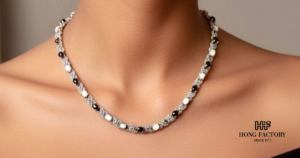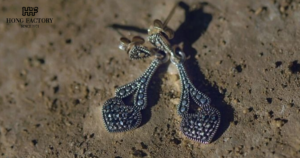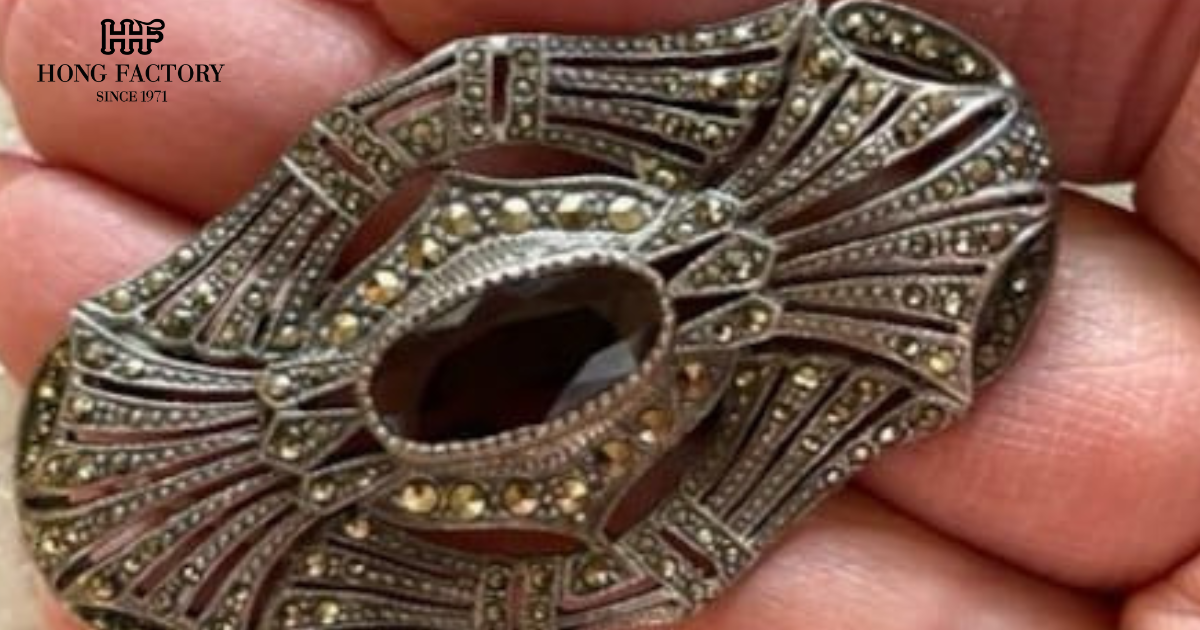

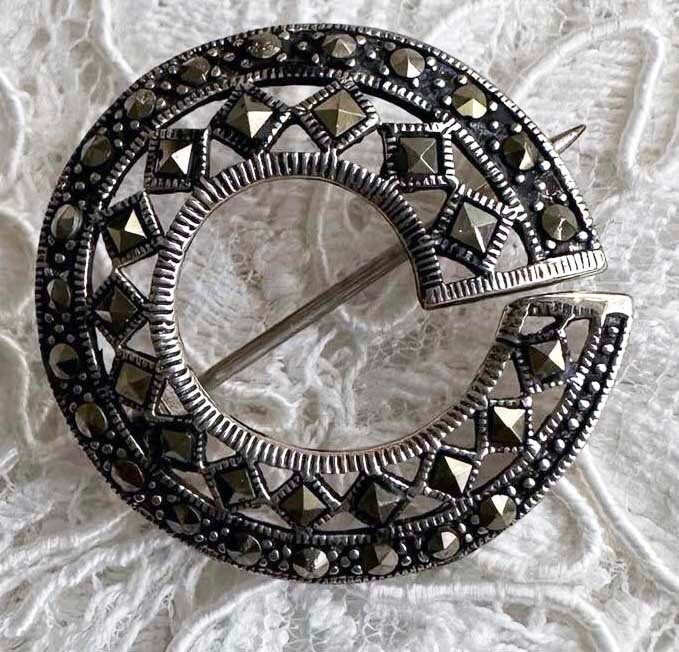
Marcasite jewelry holds a special place in the world of vintage and antique accessories. Its metallic sparkle, handcrafted details, and historical charm make it treasured by collectors and jewelry lovers alike. However, because marcasite pieces are often delicate and decades old, they may show signs of age—such as tarnish, loose stones, worn silver, or damaged prongs. Proper restoration brings these timeless pieces back to life while preserving their authentic character. This chapter explores how to safely restore marcasite jewelry, what to avoid, and when to seek professional help. 925
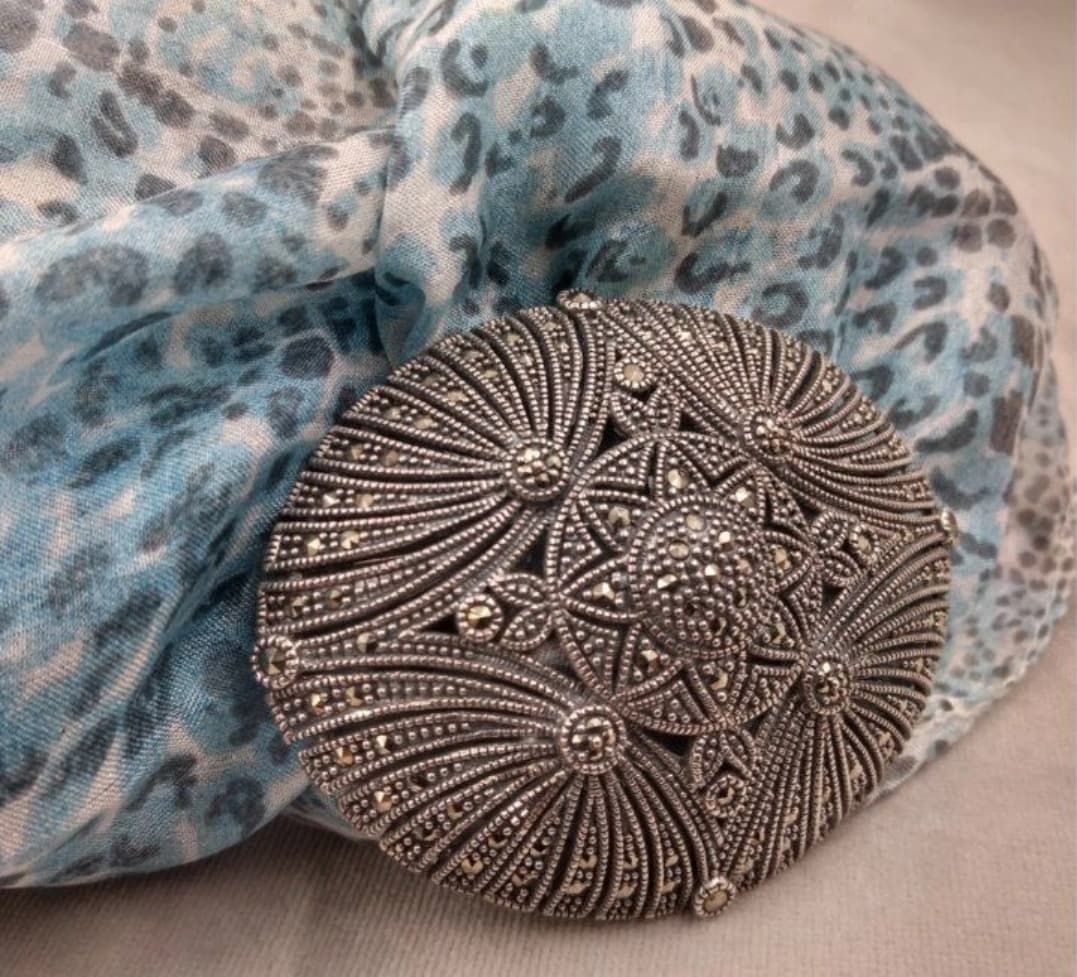
Understanding Antique Marcasite Jewelry
Restoration begins with understanding the structure and materials used in old marcasite pieces.
1. Hand-Set Stones
Many antique marcasite pieces were set by hand using tiny prongs—not glue. These prongs can loosen over time.
2. Sterling Silver Bases
Most vintage marcasite jewelry is crafted from sterling silver, which naturally tarnishes with age.
3. Delicate Designs and Filigree Work
Older pieces often feature intricate metalwork that requires careful handling.
4. Brittle Metal Over Time
Antique silver may become softer or more fragile, making gentle restoration essential.
Understanding these characteristics helps ensure that the jewelry is restored properly without damage.
Step-by-Step Restoration for Antique Marcasite Jewelry
Below is a safe, detailed process to revive old marcasite pieces.
1. Initial Assessment
Before cleaning or adjusting anything, examine the piece closely.
Check for:
- Missing stones
- Loose or bent prongs
- Cracked marcasite pieces
- Tarnish levels
- Weak links or clasps
Document any structural issues before beginning restoration.
2. Gentle Surface Cleaning
Antique marcasite should never be soaked in water or cleaned with harsh chemicals.
Recommended method:
- Use a soft, dry microfiber cloth
- Clean in small circular motions
- Avoid applying pressure on stones
This removes surface dust and oils.
3. Deep Cleaning for Intricate Details
If dirt is embedded in filigree or around prongs:
Use:
- A dry soft-bristle brush (baby toothbrush or cosmetic brush)
Steps:
- Brush gently around the design
- Avoid tugging near fragile prongs
- Finish with a polishing cloth on silver surfaces
This refreshes intricate patterns without harming stones.
4. Removing Tarnish From Silver
Sterling silver tarnishes over time, especially in humidity.
Safe tarnish removal:
- Use silver polishing cloth, not liquid cleaners
- Polish only the silver areas
- Avoid rubbing the stones
Liquid silver dips can dissolve prongs or loosen stones—never use them.
5. Straightening and Strengthening Prongs
Loose prongs are common in antique marcasite jewelry.
Important:
Do NOT attempt to tighten prongs yourself unless experienced.
Improper handling may snap the prongs or crack stones.
Best solution:
Take the piece to a jeweler specializing in vintage or marcasite repairs.
They can:
- Gently re-tighten prongs
- Rebuild broken prongs
- Secure stones safely
6. Replacing Missing Marcasite Stones
Marcasite stones are cut in specific shapes, often rose-cut.
Replacement options:
- New marcasite stones (modern cut)
- Reclaimed antique stones (maintain authenticity)
A skilled jeweler will match:
- Stone size
- Cut style
- Placement pattern
Matching the original design is essential for preserving historical value.
7. Repairing Broken or Weak Silver Sections
Over time, silver solder joints and filigree can weaken.
Professional restoration may include:
- Silver soldering
- Reinforcement of thin areas
- Rebuilding filigree patterns
These repairs require expertise to avoid heat damage to stones.
8. Polishing the Final Piece
After structural repairs and cleaning, the final step is polishing.
Safe polishing:
- Use a jewelry cloth
- Polish gently to maintain vintage patina
- Avoid polishing too aggressively, which can remove character
Antique pieces should retain some natural age marks—they add charm and authenticity.
Common Mistakes to Avoid During Restoration
Improper restoration can permanently damage vintage marcasite.
Avoid:
- Water soaking
- Liquid silver cleaners
- Ultrasonic or steam cleaners
- DIY prong tightening
- Using glue to attach stones
- Excessive polishing
These mistakes can dissolve silver, loosen stones, or reduce the jewelry’s value.
When to Seek Professional Restoration
Some issues require skilled intervention.
Hire a professional if:
- Stones are missing
- Prongs are damaged or weak
- Silver sections are cracked
- The piece is over 50 years old
- It holds sentimental or monetary value
A qualified jeweler preserves both structure and authenticity.
Maintaining Restored Antique Marcasite
After restoration, proper care ensures lasting beauty.
Do:
- Store in a dry, padded jewelry box
- Keep each piece separate
- Clean with dry cloths only
- Wear gently to prevent prong damage
Don’t:
- Expose to moisture
- Wear during physical activities
- Store near chemicals or perfumes
Restored marcasite jewelry is durable when treated with care.
Why Restoring Marcasite Jewelry Matters
Restoration allows antique marcasite pieces to:
- Retain historical charm
- Become wearable again
- Increase sentimental and aesthetic value
- Last for future generations
Reviving these pieces preserves both craftsmanship and cultural heritage.
Conclusion
Marcasite restoration is a delicate art requiring patience, expertise, and respect for the jewelry’s history. By using gentle cleaning techniques, avoiding harsh products, and seeking professional repairs when necessary, you can revive antique marcasite pieces without compromising their authenticity. Restored marcasite jewelry not only regains its original beauty but also continues to shine as a treasured heirloom.
In the next chapter, we will explore marcasite jewelry trends across different decades, revealing how styles have evolved over time.