
Introduction
Jewellery comes in countless styles, designs, and price ranges, but one of the most important factors that determines its quality, appearance, durability, and value is the material used to create it. Whether purchasing a simple silver necklace, a luxurious gold ring, a platinum engagement ring, or a gemstone bracelet, understanding jewellery materials can help consumers make smarter buying decisions.
Different materials offer unique benefits and characteristics. Some prioritize affordability, while others focus on luxury, durability, or long-term investment value. Knowing the strengths and limitations of each jewellery material allows buyers to select pieces that best match their lifestyle, budget, and personal preferences.
This guide explains the most common jewellery materials used in modern jewellery, including precious metals, gemstones, alternative metals, and contemporary materials that continue to shape the jewellery industry.
Why Jewellery Materials Matter
The materials used in jewellery influence several important factors.
These include:
- Durability
- Appearance
- Cost
- Maintenance
- Longevity
Choosing the right material helps ensure satisfaction and long-term value.
Comfort and Wearability
Some materials are better suited for daily wear than others.
Comfort plays an important role in jewellery selection.
Investment Potential
Precious metals and gemstones often retain value better than lower-cost alternatives.
Material choice can influence long-term worth.
Style Preferences
Different materials create different visual effects.
Understanding materials helps buyers match jewellery to personal style.
Precious Metals in Jewellery
Precious metals remain the foundation of fine jewellery.
The most common options include:
- Gold
- Silver
- Platinum
These metals have been valued for centuries because of their beauty and rarity.
Gold Jewellery Materials
Gold remains one of the most desirable jewellery materials worldwide.
Why Gold Is Popular
Benefits include:
- Timeless beauty
- Durability
- Luxury appeal
- Long-term value
Gold jewellery remains fashionable across generations.
Types of Gold
Gold is available in various purity levels.
Common options include:
- 24K Gold
- 22K Gold
- 18K Gold
- 14K Gold
Higher karat numbers indicate higher gold content.
Yellow Gold
Yellow gold is the most traditional form of gold jewellery.
Advantages include:
- Classic appearance
- Rich color
- Strong market demand
White Gold
White gold offers a modern appearance.
It is especially popular in:
- Engagement rings
- Diamond jewellery
- Contemporary designs
Rose Gold
Rose gold has become increasingly popular because of its warm and romantic color.
Its distinctive appearance attracts many consumers.
Silver Jewellery Materials
Silver remains one of the most widely used jewellery materials.
Sterling Silver
Most quality silver jewellery is made from sterling silver.
Sterling silver contains:
- 92.5% silver
- 7.5% strengthening metals
This composition improves durability.
Benefits of Silver Jewellery
Advantages include:
- Affordability
- Versatility
- Elegant appearance
Silver complements many fashion styles.
Silver Maintenance
Silver may tarnish over time.
Regular cleaning helps preserve its shine and beauty.
Platinum Jewellery Materials
Platinum is considered one of the most prestigious jewellery metals.
Why Platinum Is Valuable
Benefits include:
- Exceptional durability
- Natural white color
- Rarity
- Luxury appeal
These qualities contribute to its premium status.
Popular Platinum Jewellery
Common examples include:
- Engagement rings
- Wedding bands
- Luxury necklaces
Platinum remains highly sought after.
Platinum Durability
Platinum is particularly suitable for daily wear because of its strength.
It offers excellent long-term performance.
Stainless Steel Jewellery
Stainless steel has become increasingly popular in modern jewellery.
Benefits of Stainless Steel
Advantages include:
- Durability
- Scratch resistance
- Affordability
- Low maintenance
These qualities make it ideal for everyday wear.
Popular Stainless Steel Pieces
Examples include:
- Bracelets
- Rings
- Chains
These accessories appeal to both men and women.
Modern Appearance
Stainless steel offers a contemporary aesthetic that works well with minimalist fashion.
Titanium Jewellery
Titanium is known for its exceptional strength and lightweight feel.
Why Titanium Is Popular
Benefits include:
- Lightweight comfort
- Durability
- Corrosion resistance
These characteristics support daily wear.
Common Titanium Jewellery
Popular choices include:
- Wedding bands
- Men’s rings
- Bracelets
Titanium appeals to active lifestyles.
Modern Appeal
Its sleek appearance contributes to growing popularity.
Tungsten Jewellery
Tungsten has become a popular alternative metal.
Benefits of Tungsten
Advantages include:
- Extreme hardness
- Scratch resistance
- Modern appearance
These qualities attract many buyers.
Popular Tungsten Jewellery
Examples include:
- Men’s wedding bands
- Fashion rings
Its durability is a major selling point.
Considerations
Tungsten is very hard but may be less flexible than some traditional metals.
Copper Jewellery
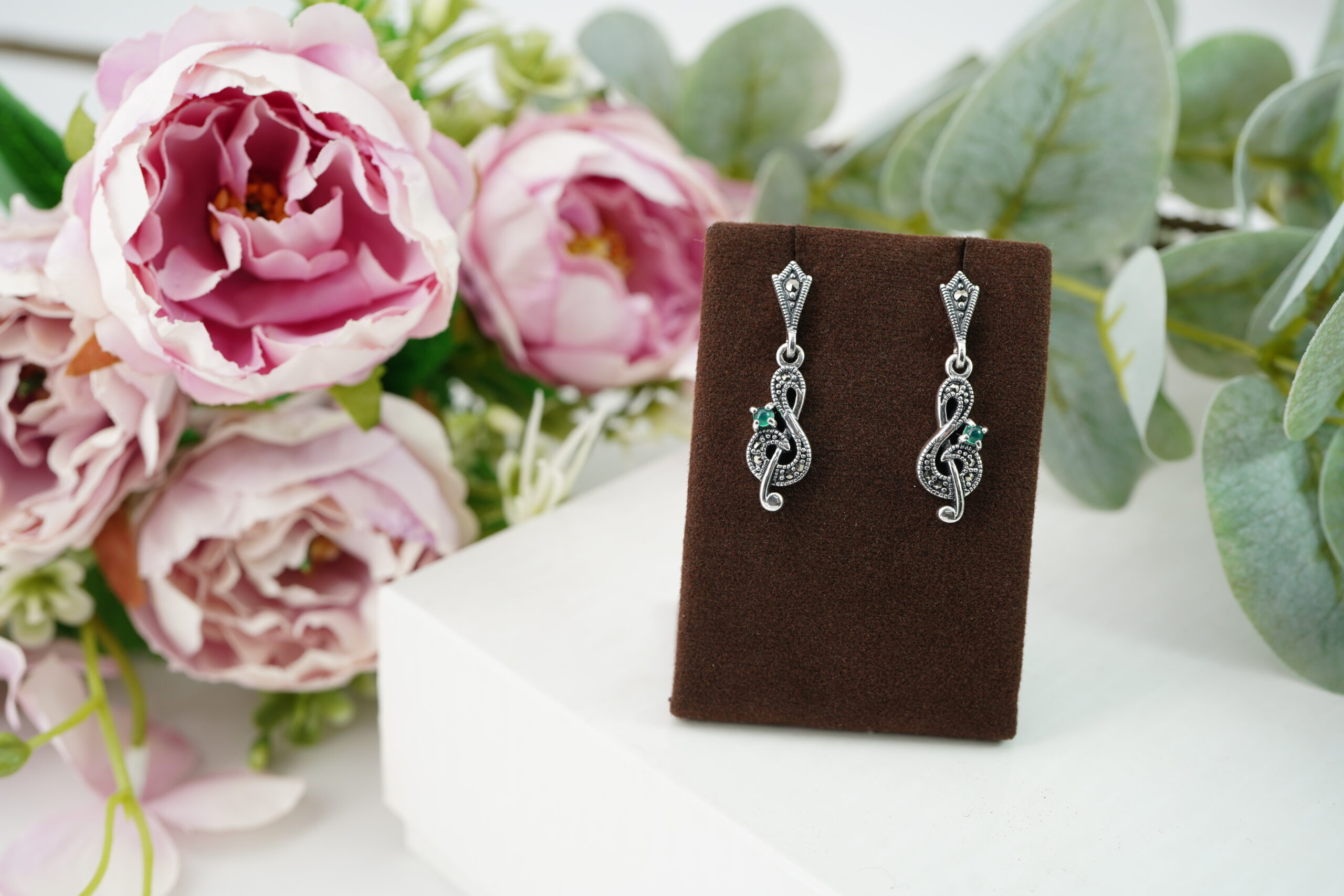
Copper has been used in jewellery for centuries.
Why Copper Is Unique
Benefits include:
- Distinctive color
- Affordability
- Artistic appeal
Many artisans enjoy working with copper.
Handmade Copper Jewellery
Copper is commonly used in:
- Artisan jewellery
- Bohemian designs
- Handmade accessories
Its warm tones create unique aesthetics.
Gemstones in Jewellery
Gemstones add beauty, color, and individuality.
Precious Gemstones
Traditionally recognized precious gemstones include:
- Diamond
- Ruby
- Sapphire
- Emerald
These stones remain highly desirable.
Semi-Precious Gemstones
Popular semi-precious stones include:
- Amethyst
- Garnet
- Topaz
- Citrine
- Peridot
These options offer excellent value.
Gemstone Appeal
Gemstones provide:
- Color
- Symbolism
- Personal expression
They enhance jewellery designs significantly.
Diamond Materials
Diamonds remain the most recognized jewellery gemstone.
Why Diamonds Are Popular
Diamonds offer:
- Brilliance
- Durability
- Prestige
These qualities support long-term demand.
Natural Diamonds
Natural diamonds form through geological processes over millions of years.
Their rarity contributes to value.
Lab-Grown Diamonds
Lab-created diamonds provide:
- Similar appearance
- Lower cost
- Sustainable appeal
Their popularity continues to increase.
Pearl Jewellery Materials
Pearls differ from traditional gemstones.
Natural Beauty
Pearls are valued for:
- Luster
- Elegance
- Timeless appeal
They remain classic jewellery choices.
Types of Pearls
Common varieties include:
- Freshwater pearls
- Akoya pearls
- Tahitian pearls
Each type offers unique characteristics.
Pearl Care
Pearls require gentle handling because they are softer than most gemstones.
Alternative Jewellery Materials
Modern jewellery designers increasingly explore alternative materials.
Leather
Leather is often used in:
- Bracelets
- Necklaces
- Men’s jewellery
It provides casual style and comfort.
Wood
Wooden jewellery offers:
- Natural appearance
- Sustainability
- Artistic appeal
These pieces often attract eco-conscious consumers.
Resin
Resin allows designers to create colorful and creative jewellery designs.
Its versatility supports innovation.
Sustainable Jewellery Materials
Sustainability is becoming increasingly important.
Recycled Metals
Recycled metals help reduce environmental impact.
Common examples include:
- Recycled gold
- Recycled silver
These materials maintain quality while supporting sustainability.
Ethical Gemstones
Ethically sourced gemstones emphasize responsible mining and labor practices.
Many consumers value transparency.
Lab-Grown Stones
Lab-created gemstones offer environmentally conscious alternatives.
Their popularity continues to expand.
Choosing the Right Jewellery Material
Selecting the right material depends on individual priorities.
Consider Lifestyle
Active lifestyles may benefit from durable materials such as:
- Platinum
- Titanium
- Stainless steel
Consider Budget
Affordable options include:
- Silver
- Stainless steel
- Copper
Luxury buyers may prefer gold or platinum.
Consider Maintenance
Some materials require more care than others.
Understanding maintenance needs improves satisfaction.
Consider Personal Style
Material selection should complement:
- Fashion preferences
- Daily wardrobe
- Long-term goals
Personal style remains important.
Jewellery Material Combinations
Many modern designs combine multiple materials.
Mixed Metals
Popular combinations include:
- Gold and silver
- Rose gold and white gold
These combinations create visual contrast.
Gemstones and Metals
Pairing gemstones with precious metals enhances beauty and value.
Contemporary Designs
Modern jewellery often combines traditional and alternative materials for unique results.
Caring for Different Jewellery Materials
Proper care extends lifespan.
Gold Care
Clean with:
- Mild soap
- Warm water
- Soft cloth
Silver Care
Use polishing cloths and anti-tarnish storage.
Gemstone Care
Handle delicate stones carefully and avoid harsh chemicals.
Pearl Care
Wipe gently after wearing and store separately.
These practices preserve appearance.
Future Trends in Jewellery Materials
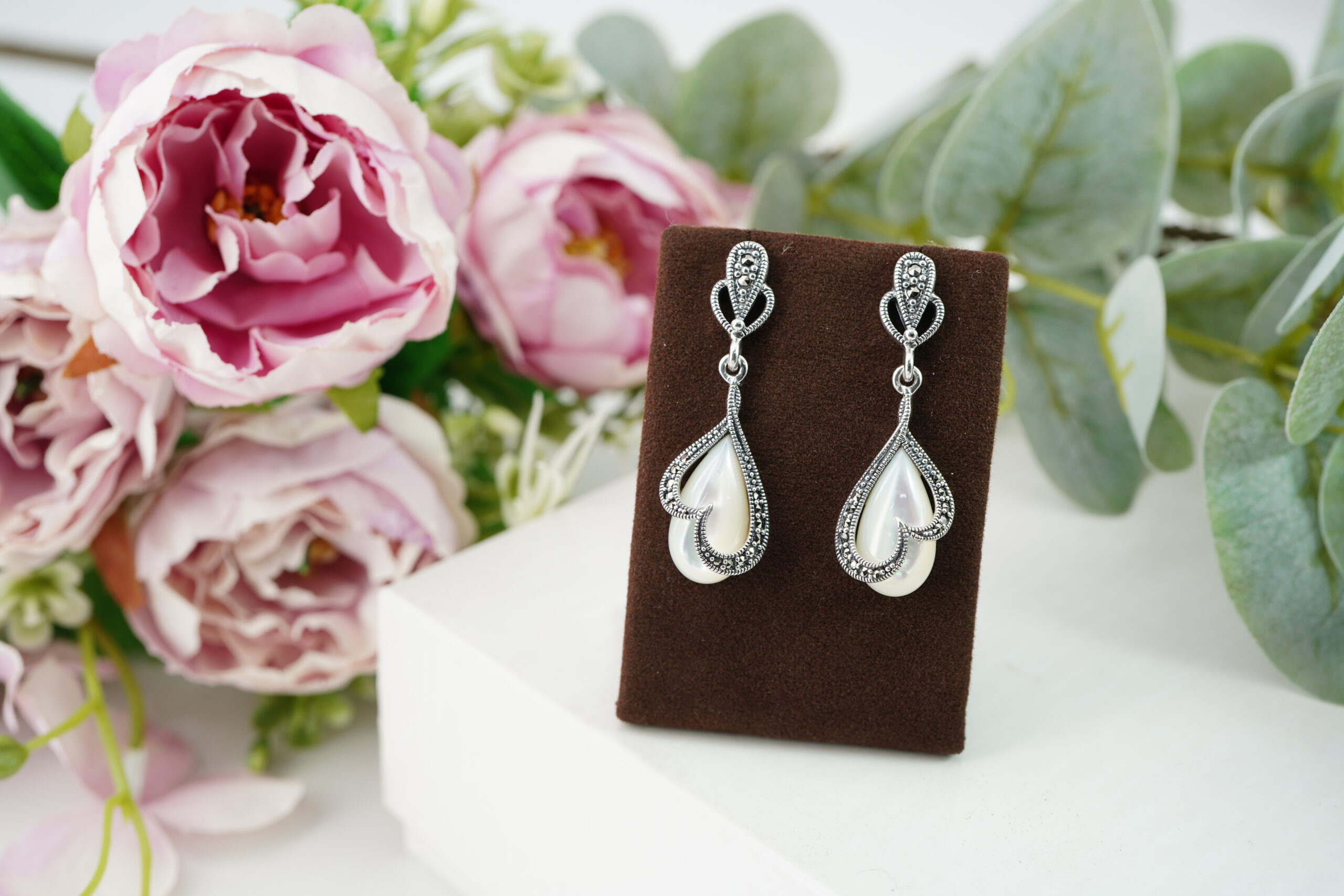
Several trends continue to shape the industry.
Sustainable Materials
Environmental responsibility remains a priority.
Lab-Grown Gemstones
Technology continues to improve quality and accessibility.
Mixed Material Designs
Consumers increasingly embrace unique combinations.
Lightweight Metals
Titanium and similar materials continue gaining popularity.
These developments expand consumer choices.
Conclusion
Understanding jewellery materials helps consumers make informed purchasing decisions. Whether choosing gold, silver, platinum, diamonds, pearls, gemstones, stainless steel, titanium, or sustainable alternatives, each material offers unique advantages and characteristics.
By considering factors such as durability, appearance, maintenance, budget, and personal style, buyers can select jewellery that meets their needs and provides long-term satisfaction. The right material not only enhances beauty but also contributes to the lasting value and enjoyment of every jewellery piece.